


Why Your Car Battery Fails in Winter (And How to Prevent It)
January 2, 2026
Winter Battery Myths: Why Albuquerque’s Summer Heat Actually Kills Your Battery
February 1, 2026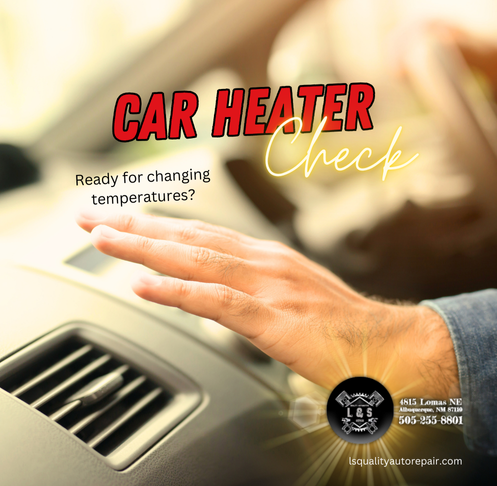
When Albuquerque temperatures drop and you’re driving to work on a frosty morning, your car’s heater isn’t just a comfort feature—it’s essential for visibility and safety. That blast of warm air that defrosts your windshield and keeps your hands from going numb relies on a complex system of components working together seamlessly. Most drivers never think about their heater until it stops working, but understanding how this system operates and maintaining it properly can prevent you from shivering through winter commutes or dealing with dangerous windshield fog. At L&S, we see preventable heater failures every winter, and a simple inspection can catch problems before they leave you literally out in the cold.
In this article, we’ll explore:
- How your vehicle’s heating system recycles engine heat to warm your cabin and the key components that make it possible
- Common heater system failures, their warning signs, and why some issues pose serious safety risks beyond just comfort
- What our comprehensive heater system inspection covers and how preventive maintenance saves you from expensive emergency repairs
The Engineering Behind Your Warm Winter Rides
Your car’s heater is remarkably elegant in its simplicity—it’s essentially a heat-recycling system that puts the tremendous thermal energy your engine generates to practical use. As your engine runs, coolant (a mixture of water and antifreeze) circulates through passages in the engine block, absorbing heat and preventing the engine from overheating. This hot coolant, typically running between 195°F and 220°F, flows through a small radiator-like component called the heater core, usually located behind or beneath your dashboard.
The heater core is the heart of your heating system. When you turn on your heater, a blower motor pushes cabin air across the fins of this miniature heat exchanger, transferring warmth from the coolant to the air, which then flows through your vents. The temperature blend door—a flap controlled by your temperature dial or climate control system—regulates how much air passes through the heater core versus bypassing it, giving you precise control over cabin temperature.
The system relies on continuous coolant circulation, which is why your heater won’t produce warm air until your engine reaches operating temperature. A thermostat in the cooling system stays closed when the engine is cold, restricting coolant flow to help the engine warm up quickly. Once the engine reaches proper temperature, the thermostat opens, allowing full circulation through both the engine and heater core. This is also why a malfunctioning thermostat stuck open can result in poor heat output—the coolant never gets hot enough because it’s constantly circulating through the radiator.
Modern vehicles add complexity with electronic climate controls, multiple temperature zones, and automatic systems that adjust airflow and temperature based on cabin sensors. However, the fundamental principle remains unchanged: your engine’s waste heat becomes your comfort system, requiring proper coolant levels, functioning mechanical components, and unobstructed airflow to work effectively.
When Heating Systems Go Wrong: Recognizing the Red Flags
Heater problems manifest in several distinct ways, each pointing to different underlying issues. The most obvious symptom is weak or no heat output, but the specific behavior tells you a lot about what’s failing. If your heater blows only cool or lukewarm air even after the engine has fully warmed up, you likely have insufficient coolant flow. This could stem from a low coolant level due to leaks, a clogged heater core restricting flow, or a failing water pump that can’t circulate coolant effectively.
A sweet, cloying smell inside your cabin, often accompanied by oily film on the inside of your windshield, indicates a leaking heater core. This is serious—you’re breathing vaporized coolant, which contains toxic ethylene glycol. Beyond the health hazard, a leaking heater core will eventually drain your cooling system, potentially leading to catastrophic engine overheating. If you notice this smell or find your coolant mysteriously disappearing without visible external leaks, have your heater core inspected immediately.
Temperature inconsistency is another telltale sign. If your heater works intermittently, blowing hot then cold seemingly at random, you may have air pockets in the cooling system preventing proper coolant circulation, a failing thermostat that’s sticking partially closed, or a temperature blend door actuator that’s malfunctioning. Vehicles with automatic climate control can develop issues with the electronic actuators that position these doors, resulting in one vent blowing hot while another blows cold.
Unusual noises when running your heater point to specific component failures. A squealing or screeching sound when you turn on the blower indicates a failing blower motor or worn motor bearings. A sloshing or gurgling sound from behind the dashboard suggests air trapped in the heater core. Grinding or clicking from behind your climate control panel often means blend door actuators are failing or the doors themselves are binding.
Don’t ignore weak airflow, even if the air temperature is correct. A blower motor running at reduced capacity, a clogged cabin air filter, or debris in the ventilation ducting can all restrict airflow. Over time, a struggling blower motor will fail completely, and operating it in a weakened state can damage other electrical components.
The L&S Heater System Inspection: Comprehensive Protection
At L&S, our heater system inspection goes far beyond simply checking whether warm air comes out of your vents. We start with a visual inspection of all accessible cooling system components, looking for leaks, damaged hoses, and proper coolant levels. We check your coolant condition—old, contaminated coolant becomes acidic and can corrode your heater core from the inside, leading to costly failures.
We test your thermostat operation to ensure it opens at the correct temperature and your engine reaches proper operating temperature. A stuck-open thermostat won’t just affect your heater performance; it reduces fuel efficiency and increases engine wear. We inspect your water pump for leaks and proper operation, as this component is critical for coolant circulation throughout your entire cooling system.
Our technicians evaluate your heater core function by monitoring coolant temperature before and after it passes through the core, checking for proper heat transfer. We examine hoses connecting to the heater core for restrictions, soft spots, or damage. We test your blower motor at all speed settings to ensure proper airflow and listen for bearing noise that indicates impending failure.
For vehicles with electronic climate controls, we use diagnostic equipment to check for fault codes and test the operation of temperature blend door actuators, ensuring they respond correctly to your temperature adjustments. We inspect your cabin air filter—a component many drivers forget exists—and recommend replacement if it’s clogged with dust, pollen, or debris.
We also pressure-test your cooling system to identify leaks that aren’t immediately visible. Many heater core leaks start small and only manifest under pressure or at operating temperature. Catching these early prevents you from dealing with a sudden coolant loss and potential engine damage.
Prevention Saves Money and Keeps You Comfortable
Regular heater system inspection and maintenance prevents expensive emergency repairs and ensures reliable operation when you need it most. The relatively simple act of maintaining proper coolant levels and replacing coolant according to your vehicle’s service schedule prevents the majority of heater-related problems. Fresh coolant contains corrosion inhibitors that protect your heater core, water pump, and entire cooling system.
Replacing your cabin air filter annually or every 15,000 miles maintains proper airflow and protects your blower motor from working harder than necessary. This simple maintenance item costs a fraction of blower motor replacement and improves your air quality as well. Addressing small coolant leaks immediately prevents them from becoming major failures. A $30 hose replacement today beats a $1,200 heater core replacement next month.
When components do fail, early detection through inspection means you can schedule repairs at your convenience rather than dealing with emergency service during the coldest days of winter. There’s also the safety factor—a properly functioning defroster is critical for visibility, and heating system problems that cause windshield fogging create dangerous driving conditions.
Schedule Your Inspection at L&S Today
Don’t wait until you’re breathing fog in your own car to discover your heater isn’t working. Winter weather in Albuquerque can arrive suddenly, and heater repairs can require several hours of labor due to the location of components deep in your dashboard. Get ahead of problems with a comprehensive heater system inspection at L&S.
Visit us at 4815 Lomas NE in Albuquerque or call 505-255-8801 to schedule your heater system inspection. Our experienced technicians will ensure your heating and defrosting systems are ready to keep you warm and safe throughout the winter months. Preventive maintenance is always less expensive than emergency repairs, and there’s no substitute for the peace of mind that comes from knowing your vehicle is ready for whatever winter throws at it.