
What Winter Did to Your Vehicle: A Spring Damage Assessment Guide
March 31, 2026
AC Evaluation and Repair in Albuquerque: What Actually Happens When You Bring It In
May 15, 2026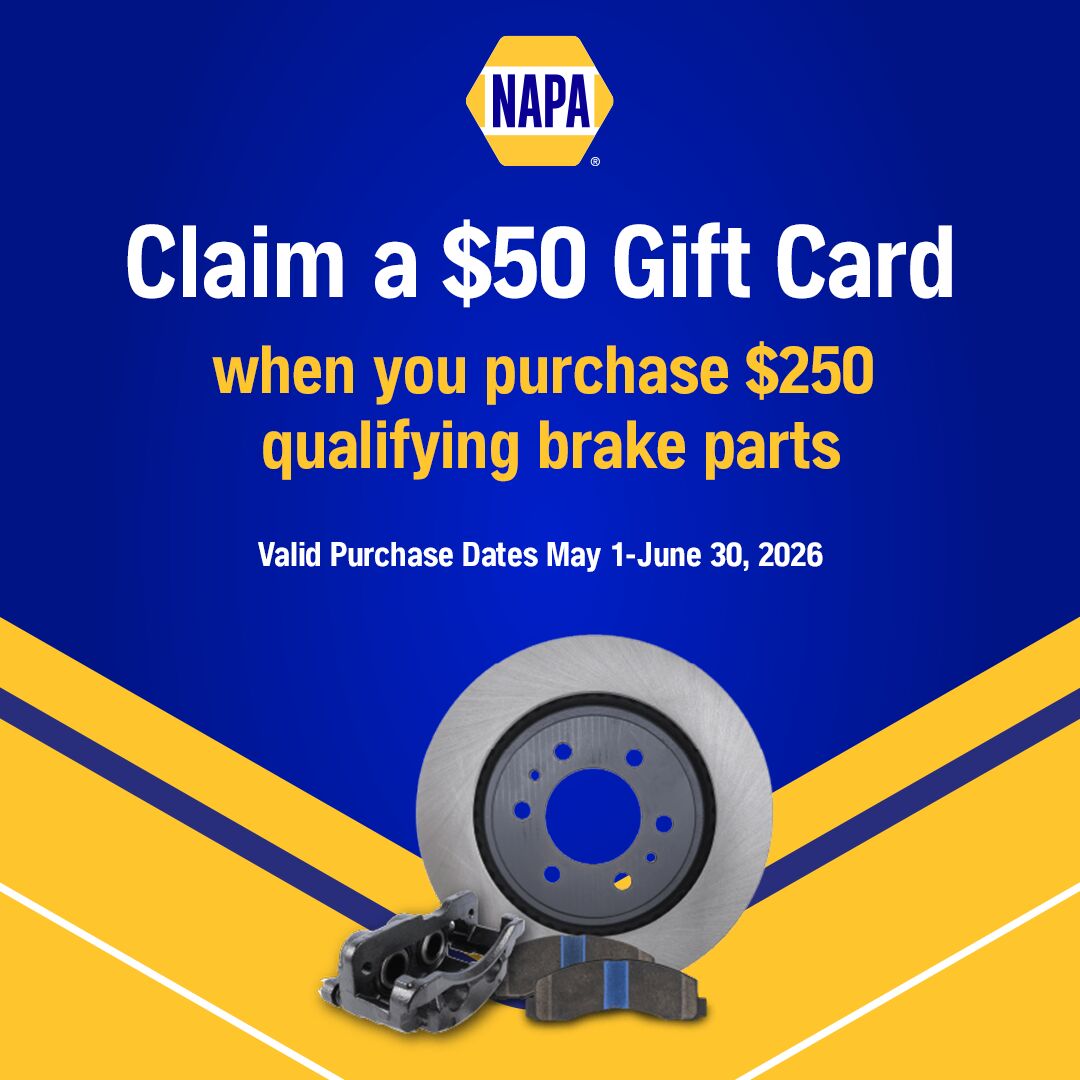
Every time you press the brake pedal, your vehicle performs a small miracle. In a matter of seconds, it converts thousands of pounds of forward motion into heat, then dissipates that heat into the open air around your wheels. Most drivers never think about it until something feels off. At L&S Quality Auto Repair on Lomas Boulevard, we believe a little brake knowledge goes a long way, especially when you live in a city that asks more of your brakes than most.
Quick Takeaways
- Your brakes work by converting kinetic energy into heat through friction between the pads and rotors. When any part of that system wears out, your stopping distance grows and your safety shrinks accordingly.
- Squealing, grinding, soft pedals, pulling, and a pulsing pedal are the five warning signs every driver should recognize. None of them should ever be ignored, and most are easy to address when caught early.
- Albuquerque’s elevation, high desert dust, mountain grades, and stop-and-go traffic all place extra demand on brake components. Local driving conditions make regular inspections more important than the average maintenance schedule suggests.
The Physics of Stopping
Your braking system is one of the most elegant pieces of engineering in your vehicle. When you press the pedal, you push pressurized brake fluid through steel lines and flexible rubber hoses out to the calipers at each wheel. Those calipers squeeze brake pads against a spinning steel rotor, and the friction between pad and rotor slows the wheel. The energy of motion has to go somewhere, and physics tells us it cannot simply disappear. Instead, it transforms into heat.
Under hard braking, rotor temperatures climb to 400 degrees Fahrenheit and well beyond. On steep descents, like the long pull down from the Sandias on I-40 west or the drop off La Bajada heading south on I-25, that heat builds quickly and persists. Brake systems are designed to shed it through ventilated rotor fins and airflow around the wheels. When the system gets overwhelmed, you experience a phenomenon known as brake fade, where stopping power temporarily diminishes as components reach their thermal limit.
The Main Components of Your Brake System
A modern disc brake system relies on five primary parts working together. Understanding each one helps you recognize problems sooner.
The brake pads are the wear items most drivers know about. They press against the rotor and gradually thin out as friction does its job. Most pads have a small metal wear indicator built in. Once the pad gets thin enough, that tab contacts the rotor and produces the high-pitched squeal that reminds you service is due.
The rotors are the steel discs your wheels rotate on. They take the heat, and they take the punishment. Over time they can warp from extreme heat cycles or wear unevenly when paired with old pads, which produces the pulsing sensation you sometimes feel through the pedal during stops.
The calipers house the pistons that press the pads inward. They need to slide freely on their guide pins so pressure applies evenly across both pads. When a caliper sticks, one pad wears far faster than its partner, and you may notice the vehicle pulling to one side under braking.
The brake fluid is the unsung hero of the system. It transmits the force of your foot through every line and hose. Brake fluid is hygroscopic, meaning it absorbs water from the air over time. As moisture content rises, the fluid’s boiling point drops, and on a long descent that fluid can actually boil inside the lines. When it does, you push the pedal and meet a soft, spongy resistance instead of firm stopping power.
The master cylinder, lines, and hoses round out the system. They connect everything together and must remain free of leaks, corrosion, and cracks to function safely. A small wet spot near a wheel or under the master cylinder reservoir is never something to dismiss.
Five Warning Signs You Shouldn’t Ignore
Brakes almost always give you warning before they fail outright. Knowing what to listen and feel for can save you a much larger repair, and possibly an accident.
- A high-pitched squeal at low speeds usually means your pads have reached the wear indicator. That sound is engineered into the system as a polite reminder. Address it within a few weeks, not months.
- A grinding or growling noise is more serious. By the time you hear metal on metal, the pad material is gone and the steel backing plate is now cutting into your rotor. The longer this continues, the more likely you will need rotor replacement in addition to pads, which roughly doubles the cost of the job.
- A soft or sinking pedal points to a hydraulic issue. You may have a fluid leak, a failing master cylinder, or contaminated fluid that has lost its compressibility. This one warrants an immediate inspection. Driving on a soft pedal is genuinely dangerous.
- Pulling to one side during braking suggests uneven force application. A sticking caliper, a collapsed brake hose, or uneven pad wear can all be the cause. Your vehicle should track straight under braking on level pavement.
- A vibration or pulsing through the pedal usually indicates rotor warping or thickness variation. Sometimes resurfacing solves the issue. Sometimes replacement is the better choice. A good technician will measure rotor thickness against the manufacturer’s minimum specification before recommending one path over the other.
Why Albuquerque Is Hard on Brakes
Living at 5,000 feet of elevation has plenty of perks, but our local conditions create unique challenges for your brake system.
Thinner air at altitude is slightly less efficient at carrying heat away from hot rotors. Combined with our long mountain descents off Sandia Crest, through Tijeras Canyon on I-40 east, or coming back from Santa Fe down La Bajada on I-25, brake components get hotter and stay hotter than they would in many other parts of the country. That heat accelerates pad and rotor wear, and it shortens brake fluid life.
Our high desert environment also produces an enormous amount of fine dust and grit. That material works its way between pads and rotors, where it acts like a slow-motion grinding compound. Drivers in the Lomas corridor, Nob Hill, and the area around UNM often see shorter pad life than the manufacturer’s mileage estimate suggests, simply because of how much abrasive material their brakes encounter day after day.
Heat is another factor that gets overlooked. Albuquerque summers regularly push past 95 degrees, and that ambient heat raises engine bay temperatures, which in turn heats brake fluid. Combined with moisture absorption over the years, the boiling point of old fluid can drop well below safe levels for a hard descent or an emergency stop.
Finally, our stop-and-go traffic patterns at the Big I, along Central, and on San Mateo create constant cycles of acceleration and braking. Each cycle adds wear, and over the course of a year those short trips add up to far more brake use than highway driving would. Drivers in 87106 and 87108 who commute across town often log brake mileage that is functionally double what their odometer shows.
How Often Should Brakes Be Inspected?
A good rule of thumb is to have your brake system inspected at every oil change, and at minimum once per year. A proper inspection includes pad thickness measurements, rotor condition, caliper operation, hose integrity, and a brake fluid moisture test. Brake fluid itself should generally be flushed every two years or 30,000 miles, though manufacturer recommendations vary by vehicle.
If your vehicle is approaching 50,000 miles on its original pads, or if you do a lot of driving in the Sandias, on steep grades, or in heavy city traffic, an inspection is the smart call. The cost of a check is small. The cost of waiting is not.
Bring Your Brakes to L&S
If you have noticed any of the warning signs above, or you simply want peace of mind heading into summer driving season, the team at L&S Quality Auto Repair is here to help. We are a NAPA AutoCare Center, which means every qualifying repair we perform is backed by a nationwide 24-month, 24,000-mile warranty. Through June 30, 2026, NAPA is also offering a $50 gift card with the purchase of $250 or more in qualifying brake parts, an excellent reason to take care of that brake job now.
Visit us at 4815 Lomas Boulevard NE, Albuquerque, NM 87108, give us a call at 505-255-8801, or stop by Monday through Friday between 8:00 AM and 5:30 PM. We proudly serve drivers throughout Nob Hill, the UNM area, and the wider 87106 and 87108 neighborhoods, and we look forward to keeping your brakes safe for every mile ahead.